
CUEB Hosts Key Academic Event for Its 70th Anniversary: “Serving the World for the Future — Symposium on Intelligent Economy”
On October 18, CUEB held “Serving the World for the Future — Symposium on Intelligent Economy”, a key academic event for its 70th anniversary, at the outdoor garden of the InnoFusion Smart Valley on campus.

Hosted by CUEB, the symposium centered on social and economic transformation in the era of intelligent economy and held in-depth discussions on the educational practices of higher education institutions in this era. It aimed to expand diversified collaboration, build consensus, and advance higher education innovation and upgrading in the new era. About 150 people attended, including university leaders from Beijing and beyond, representatives of public institutions, and experts and scholars. Li Kunpeng, member of the Standing Committee of the Party Committee and Vice President of CUEB, chaired the symposium.
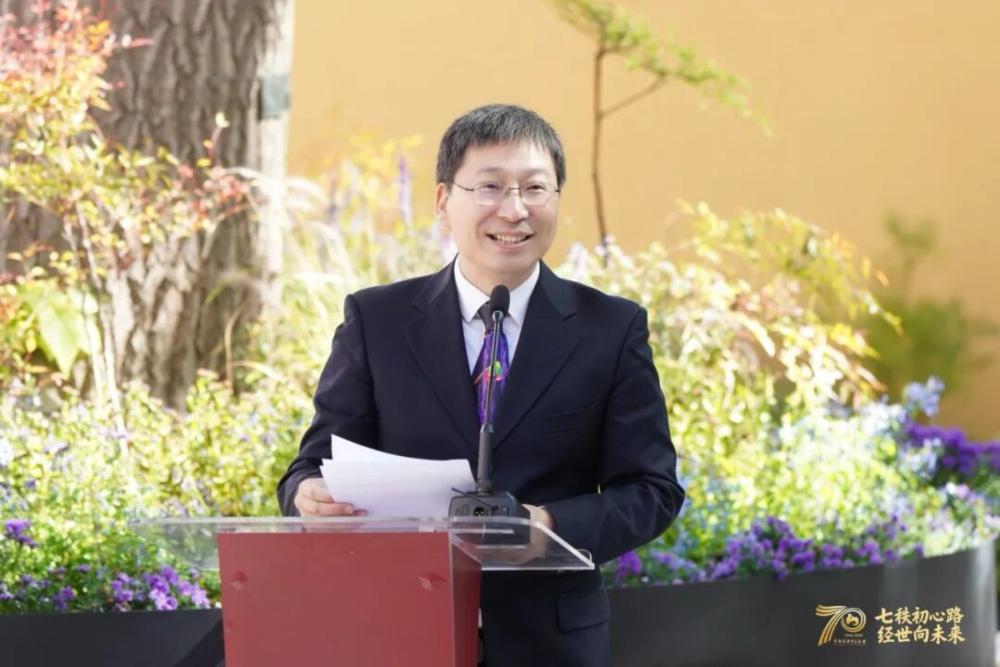
Wu Weixing, President and Deputy Party Secretary of the University of International Business and Economics (UIBE), reviewed CUEB’s 70-year educational history and expounded on its motto “Advocating Morality, Valuing Competence, Strategizing National Development, and Serving the People”and on its positioning as an institution rooted in the capital and committed to serving Beijing’s high-quality development. He noted that CUEB, deeply rooted in Beijing, embodies its mission of strategizing national development and serving the people, while UIBE, embracing openness, serves as a bridge connecting China and the world. Sharing the same roots, the two universities are aligned in serving national strategies and advancing financial and economic education. He expressed the hope that sister universities would leverage their distinctive strengths and learn from one another, taking CUEB’s 70th anniversary as an opportunity to build an exchange platform and jointly drive the high-quality development of financial and economic higher education. UIBE, he said, stands ready to work hand in hand with CUEB to complement each other’s strengths and deepen cooperation.
At the symposium, experts and scholars exchanged views on topics such as the study and interpretation of Xi Jinping Thought on the Economy and innovation in university ideological and political education, the development of an independent knowledge system for Chinese economics and disciplinary development, the reform of training systems for outstanding financial and economic personnel against the backdrop of new quality productive forces, and the establishment of diversified collaborative innovation mechanisms among financial and economic universities and the sharing of resources.
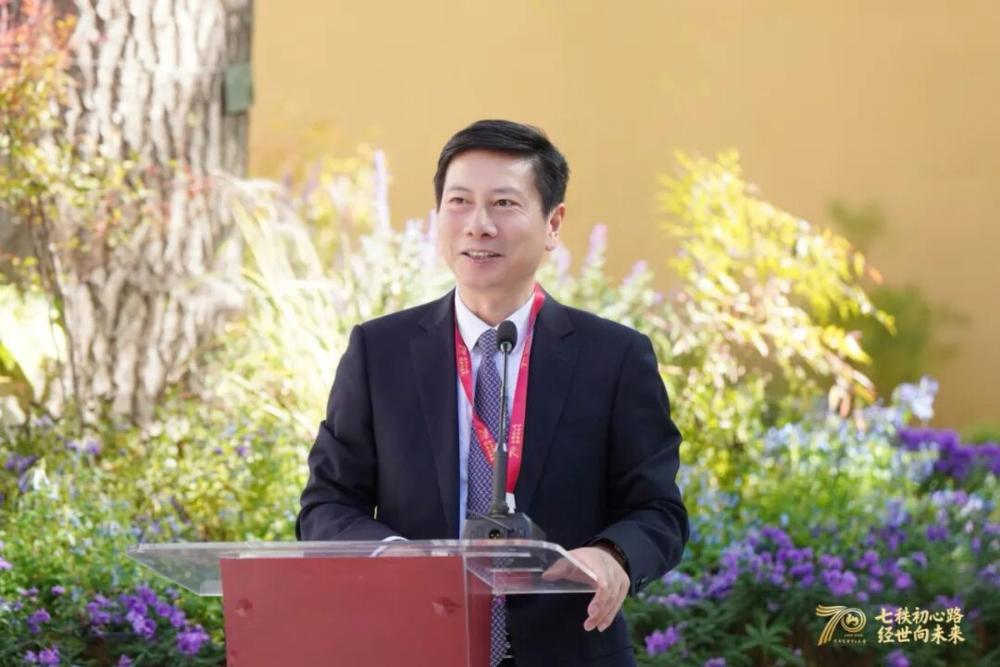
Zhu Fangwei, President and Deputy Party Secretary of Zhongnan University of Economics and Law (ZUEL), noted that personnel training at universities currently suffers from mismatch, disconnection, homogenization, and insularity. Universities, he said, need to enhance their dynamic responsiveness and build a training system that balances personalization, scalability, and quality. ZUEL is advancing undergraduate education reform in seven areas, optimizing its training framework, developing platform-based course resources, improving a diversified evaluation system, and closing the loop on educational performance evaluation based on alumni’s long-term development.
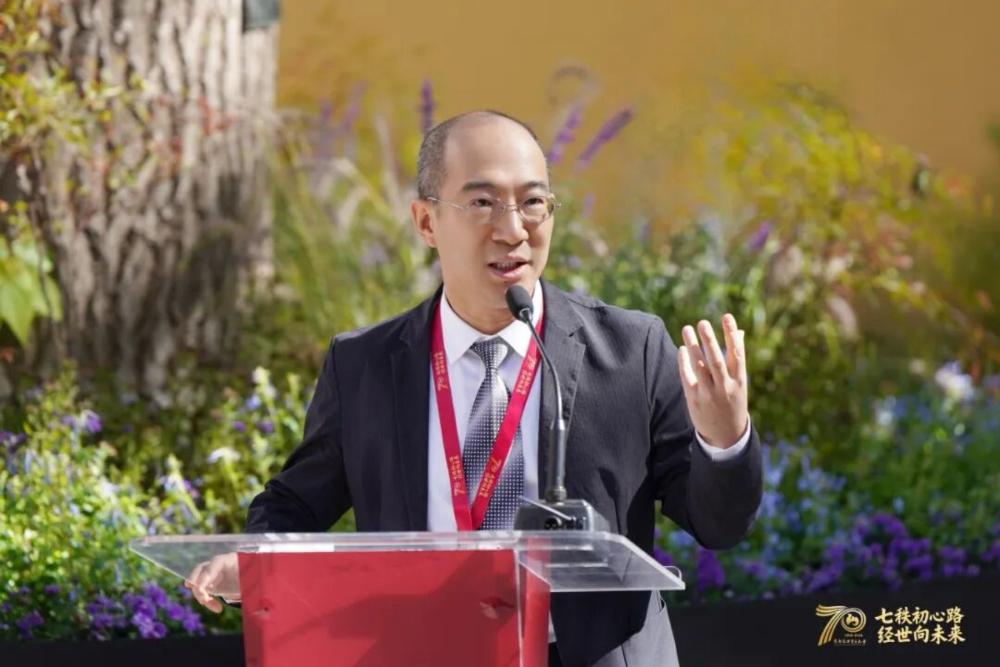
Wang Xuhui, President and Deputy Party Secretary of Dongbei University of Finance and Economics (DUFE), proposed that in the intelligent economy era, financial and economic education should seize the opportunities of the technological revolution, stay grounded in the real economy, align with industrial needs, and serve national strategies. He called for systematically reshaping learning paradigms and expanding learning spaces, accelerating the development of an independent knowledge system, breaking down disciplinary silos at financial and economic universities, promoting coordinated interdisciplinary integration, and developing innovative faculty evaluation mechanisms.
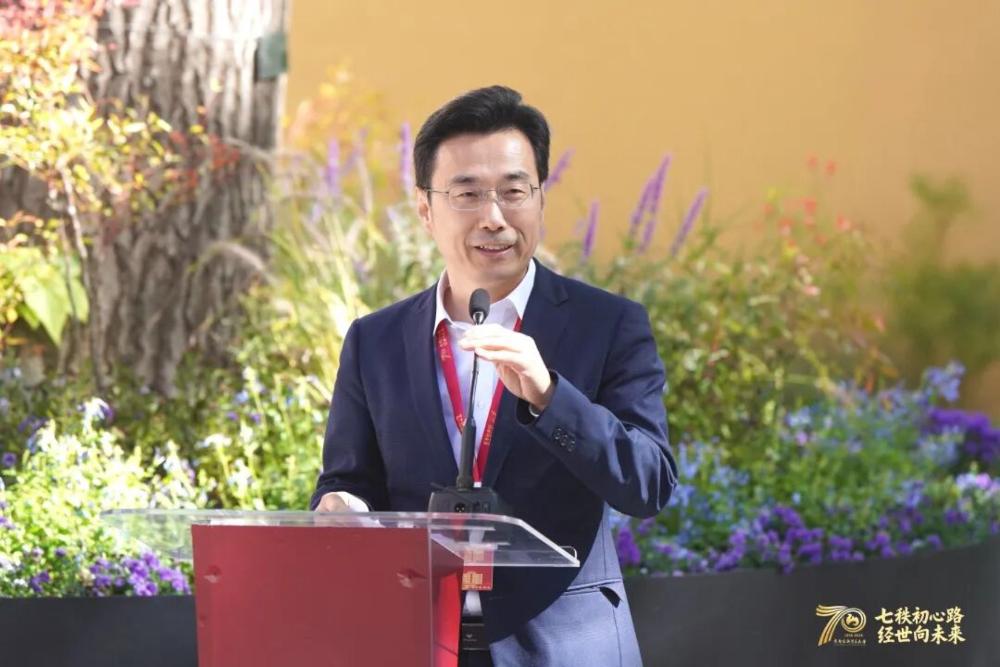
Gai Kaicheng, Member of the Standing Committee of the Party Committee and Vice President of Southwestern University of Finance and Economics (SWUFE), shared the university’s practice in transforming its top-tier personnel training paradigm, proposing a shift from knowledge-driven to problem-driven education. SWUFErestructured its training standards, mapped student competency profiles, and cultivated higher-order abilities; rebuilt its training models, developing AI-enabled courses for industry-education integration and interdisciplinary projects and adopting scenario-based teaching; and established interdisciplinary collaboration mechanisms that turn real-world industrial problems into teaching and research topics, and improved a diversified academic evaluation system.
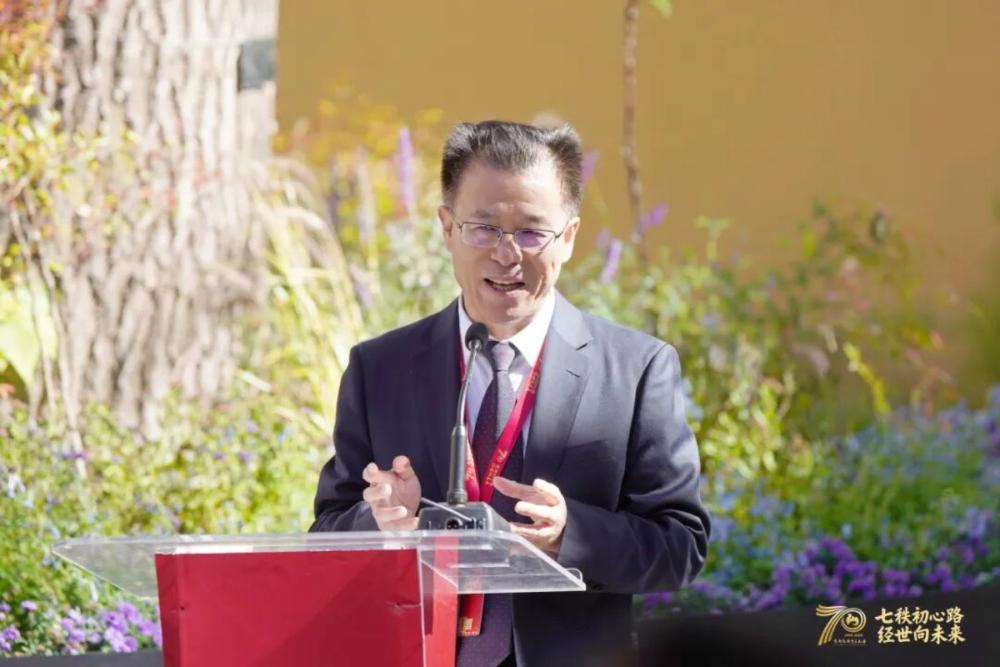
Zhang Airu, Member of the Standing Committee of the Party Committee and Vice President of Qinghai University (QHU), introduced the university’s interdisciplinary education practices in economics and management rooted in its west China context. Leveraging revolutionary education resources of the Atomic City (now the Xihai Town), QHU delivered ideological and political learning programs. Via the Ministry of Education’s Philosophy and Social Sciences Laboratory for Sanjiangyuan Ecological Big Data Application, it explores pathways to realize the value of ecological products. It also promotes deep integration of economics and management with grassland science, water conservancy engineering, and artificial intelligence. He said QHU will deepen strategic cooperation with CUEB, build integrated bachelor-to-doctor training tracks, and jointly cultivate students and conduct research on major national projects.
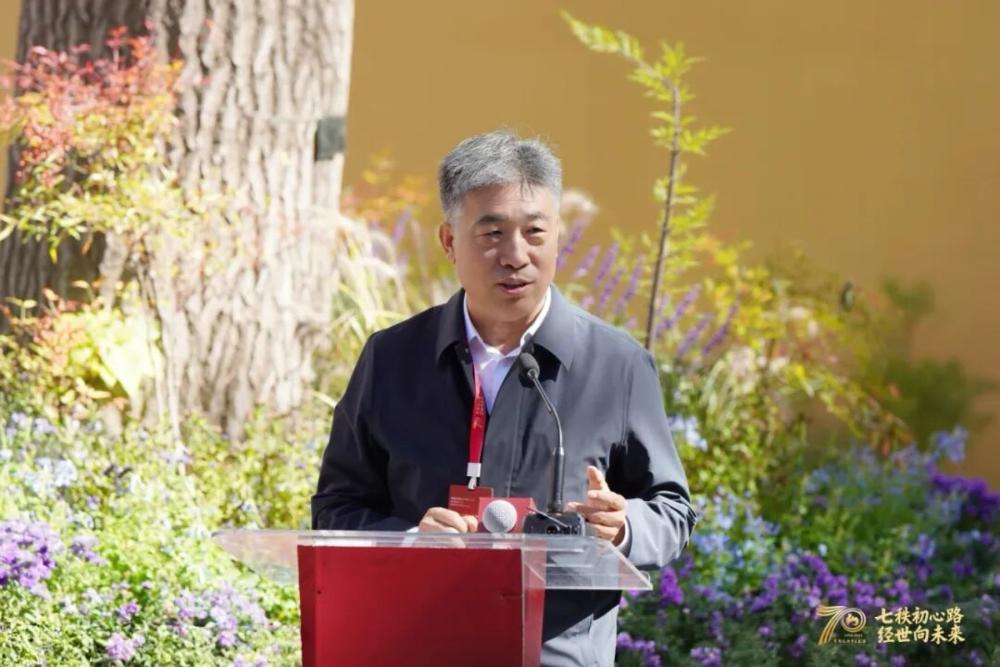
Si Linsheng, Party Secretary and President of Henan University of Economics and Law (HUEL), said that personnel training in the intelligent economy era calls for breaking down disciplinary barriers to cultivate interdisciplinary professionals, so as to addressdisciplinary fragmentation and resource silos across schools and departments at financial and economic universities. He outlined four comprehensive reforms rolled out by HUEL in 2023: the substantive faculty system, the collegiate system, the full credit system, and the large department system. Under the substantive faculty system, faculties oversee discipline development and academic affairs, while schools focus on program development, faculty growth, and personnel training; faculties also take on non-academic responsibilities.
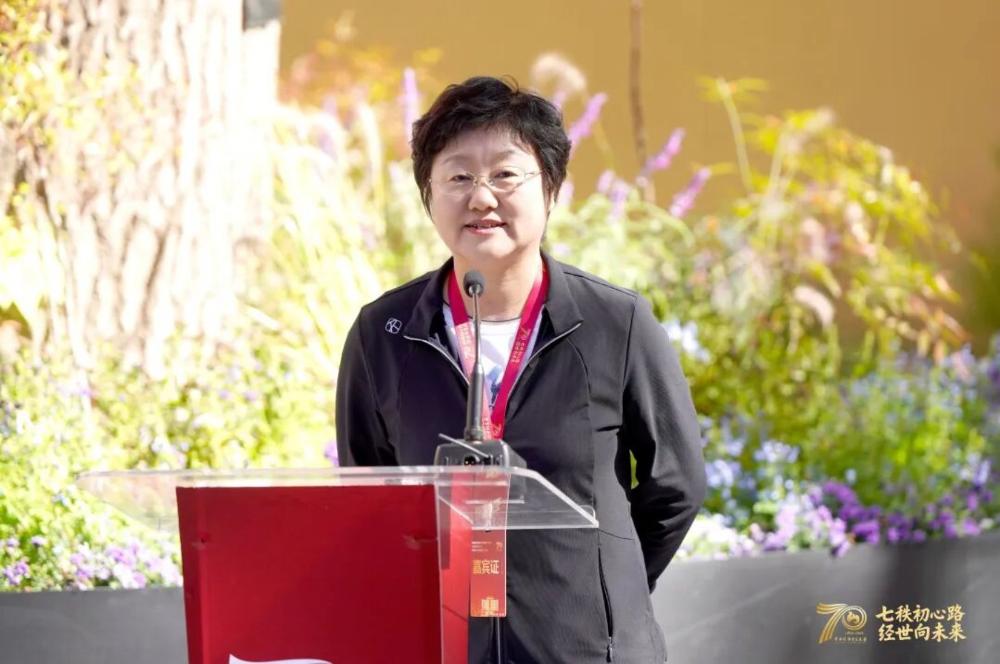
Li Xiaohua, Party Secretary of Hebei University of Economics and Business (HUEB), said HUEB is committed to becoming a renowned high-level university of finance and economics in China. Anchored in its positioning as a regional applied university in finance and economics, the university prioritizes boosting its educational quality and delivering outstanding service to regional economic and social development. Guided by its “Know Hebei Best, Serve Hebei Best” initiative, HUEB has been optimizing its program portfolio to align with regional demand: phasing out underperforming programs and launching new ones tailored to local industries. HUEB also promotes organized research via three measures —pairing each school with a provincial department or agency, assigning each team to conduct in-depth work in one county, and dispatching science and technology teams to the grassroots communities. It further integrates industrial cases into teaching to enhance faculty capabilities and support regional development.
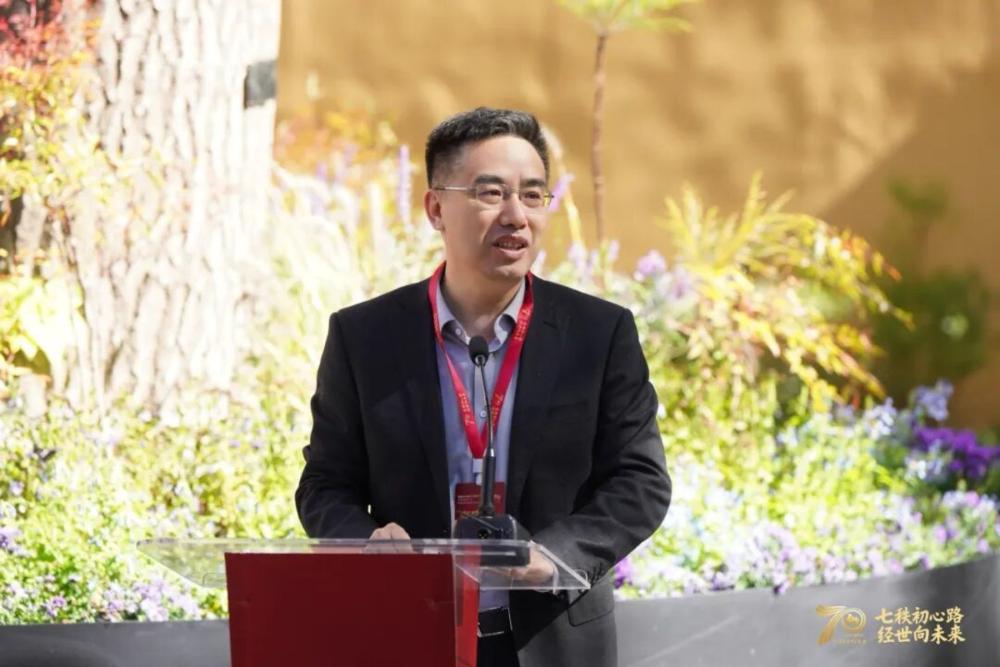
Tian Xiangyu, President and Deputy Party Secretary of Shanxi University of Finance and Economics (SXUFE), proposed three reform directions: advancing the digital upgrading of programs by expanding digital economy-related programs and digitally transforming traditional finance and economics programs; aligning student development withindustry needs to narrow the gap between classroom teaching and industrial practice; and establishing a diversified evaluation system that moves beyond score-based judgments. He called on financial and economic universities across the country to work together, each playing to its own strengths.
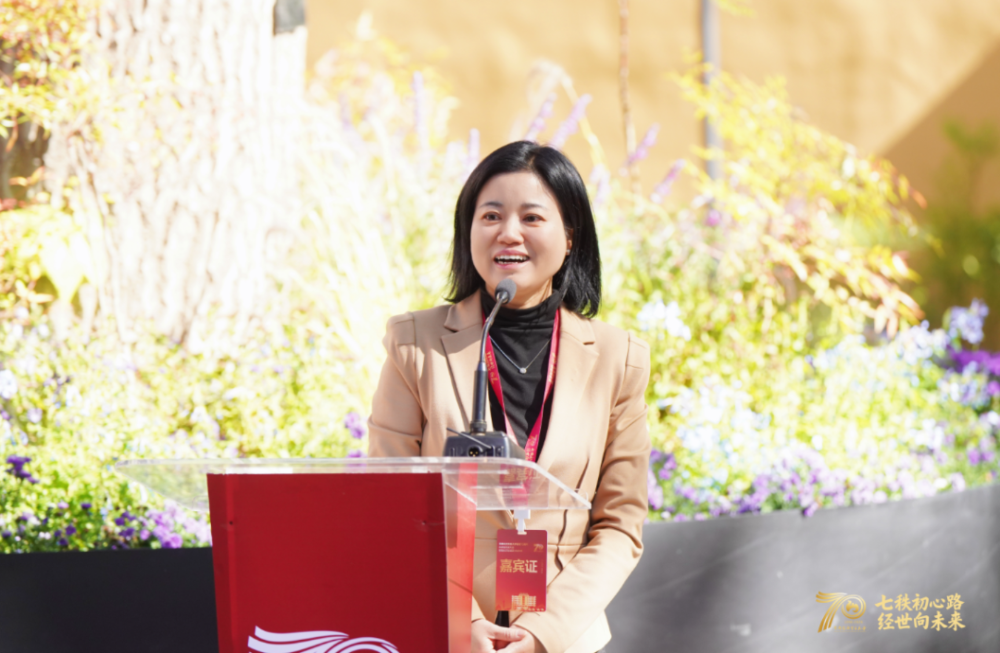
Zhou Li, Full-time Deputy Secretary CPC Committee of China Foreign Affairs University (CFAU) and Deputy Director of the China Diplomatic Academy (CDA), said that as the only university directly affiliated with the Ministry of Foreign Affairs, CFAU needs to reshape its personnel training system to better serve major-country diplomacy with Chinese characteristics. The university has developed two signature educational programs: the “Diplomatic Iron Corps Torch Plan”, which invites directors-general and division heads of the Ministry of Foreign Affairs to serve as off-campus counselors for Party building and ideological and political education, and the “Ambassador Navigation Plan”, which invites more than 40 retired ambassadors to serve as practice mentors throughout classroom teaching, textbook development, and student development.
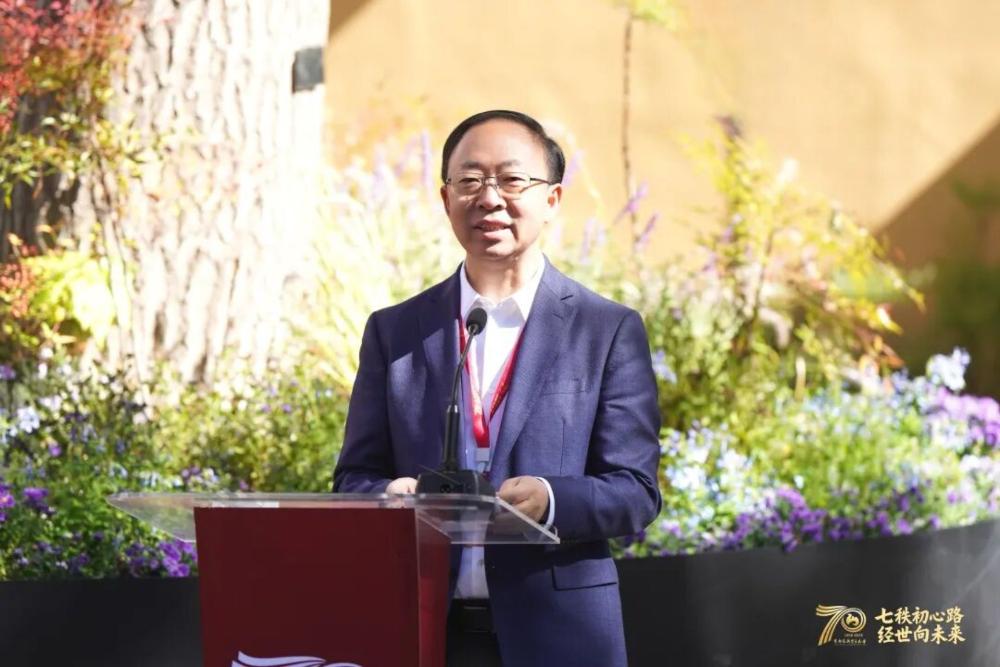
Tang Benwen, Deputy Party Secretary of Guizhou University of Finance and Economics (GUFE), said that building on the advantages of the National Big Data (Guizhou) Comprehensive Pilot Zone and focusing on “supply-demand matching, collaborative education, and efficiency improvement”, the university uses a “three-in-one” (discipline foundation, program upgrading, and course empowerment) mechanism to resolve the structural contradiction between personnel supply and demand, a “three-way integration” (four-party connectivity, digital-industry integration, and categorized progression) model to forge an industry-education community for collaborative education, and a “three-pillar support” (systematic faculty development, integrated teaching resources, and digitalized teaching spaces) system to strengthen the effectiveness of independent personnel training, as it explores a “3+3+3” model for cultivating financial and economic personnel.
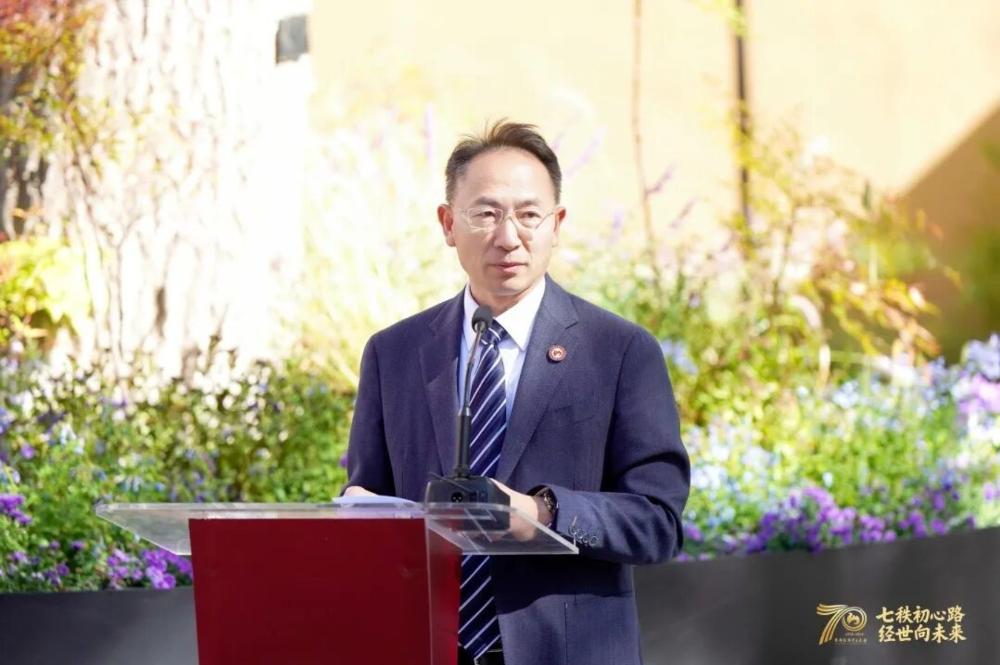
Yin Zhichao, Member of the Standing Committee of the Party Committee and Vice President of CUEB, expressed gratitude to the guests present on behalf of the university. He stated that in the age of AI, the transformation of financial and economic universities is a common challenge facing all such institutions. CUEB has established the Institute of Intelligent Economy, which will focus on three areas of research: examining intelligent industries from an economic perspective, with attention to frontier issues such as computing power and data; studying the intelligent transformation of traditional industries and unlocking the value of data as a factor of production; and assessing the multiple impacts of artificial intelligence on the macroeconomy, employment, income distribution, and the financial system. Noting that the intelligent economy has become a key issue on the national agenda, he expressed CUEB’s hope to join hands with sister universities in deepening research on the intelligent economy and jointly advancing reform of financial and economic education, personnel training, and the research system, contributing to the high-quality development of financial and economic higher education in the new era.
The symposium provided a high-level communication platform for financial and economic universities across the country and built consensus on multiple issues on the occasion of CUEB’s 70th anniversary. Standing at this new starting point, CUEB will stay true to its founding mission of “Advocating Morality, Valuing Competence, Strategizing National Development, and Serving the People”, deepen educational reform, remain committed to open schooling, strengthen coordination with universities nationwide, and jointly explore new paradigms for higher education in the digital intelligence era, striving to become a first-class financial and economic university that meets the highest standards of the capital, embodies Chinese characteristics, and enjoys international renown.
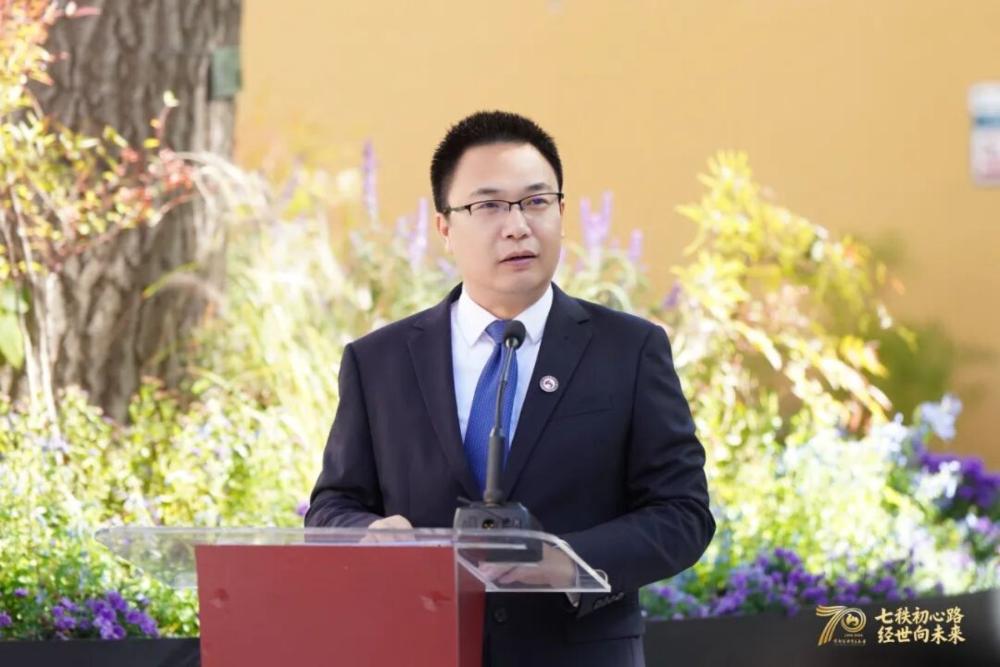
Li Kunpeng, Member of the Standing Committee of the Party Committee and Vice President of CUEB, presides over the symposium.
Among those attending the symposium were Ouyang Qin, Member of the Standing Committee of the Huairou District Committee in Beijing; Liu Ying, Party Secretary of CUEB; Zhang Xiufeng, Deputy Party Secretary of CUEB; and Yang Kui and Yao Linxiu, Members of the Standing Committee of the Party Committee and Vice Presidents of CUEB.
HOT NEWS
- 1 CUEB Hosts Key Academic Event for Its 70th Anniversary: “Serving the W...
- 2 CUEB Hosts Key Academic Event for Its 70th Anniversary: “Serving the W...
- 3 Historic Breakthrough: CUEB Applied Economics Ranks 9th Nationwide
- High-Quality Development Conference Marking CUEB’s 70th Anniversary He...
- CUEB Holds Second Campus Mini-Marathon